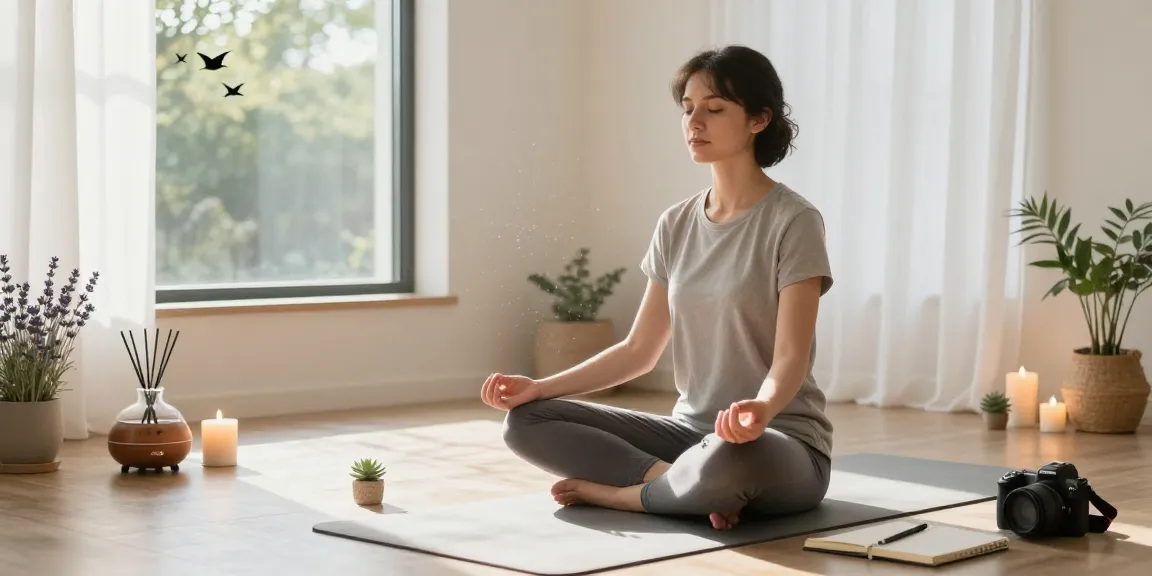
The Importance of Mindfulness in Wellness
In today's fast-paced world, mindfulness has emerged as a cornerstone of wellness, promoting a profound connection between our mental and physical health. The practice encourages individuals to focus on the present moment, fostering a deeper understanding of oneself and one’s surroundings. As we navigate the complexities of modern life, integrating mindfulness into our daily routines can offer significant benefits not only for our mental well-being but as a foundational aspect of a balanced lifestyle. When exploring options, rokok88 super provides comprehensive insights into the latest wellness trends, including the essential role of mindfulness.
Understanding Mindfulness and Its Benefits
Mindfulness is the practice of being fully present and engaged in the current moment, free from distraction or judgment. This simple yet profound shift in focus can lead to a multitude of benefits:
- Stress Reduction: Numerous studies have shown that mindfulness lowers stress hormones, leading to better stress management.
- Improved Focus: Practicing mindfulness enhances concentration and cognitive flexibility, vital for productivity.
- Emotional Regulation: Individuals practicing mindfulness tend to have better emotional awareness, allowing for healthier responses to difficult situations.
How Mindfulness Affects Mental Health
The connection between mindfulness and mental health is well-documented. Engaging in mindfulness practices such as meditation and yoga can:
- Alleviate Symptoms of Anxiety and Depression: Many mental health professionals incorporate mindfulness techniques to help patients manage their feelings more effectively.
- Enhance Overall Well-Being: Regular mindfulness practice can contribute to a greater sense of happiness and life satisfaction.
- Foster Resilience: Mindfulness helps individuals develop coping mechanisms that allow them to navigate life’s challenges with grace.
Common Misconceptions about Mindfulness
While mindfulness is a powerful tool, several misconceptions can hinder its effective implementation:
- Mindfulness is not just about meditation; it encompasses various practices such as mindful eating, walking, and breathing techniques.
- It does not require hours of free time; even a few minutes of focused breathing can yield significant benefits.
- Mindfulness is not a religious practice; it can be adapted to fit any belief system or personal philosophy.
Identifying Red Flags in Wellness Practices
As the wellness industry continues to grow, so do the number of trends that can mislead well-intentioned individuals. Recognizing red flags can prevent you from wasting time and resources on ineffective practices.
Warning Signs of Ineffective Wellness Trends
When evaluating wellness trends, be wary of:
- Overly Complex Systems: If a wellness strategy seems complicated or impossible to integrate into daily life, it likely won’t be sustainable.
- Promises of Quick Fixes: Beware of anyone promising rapid results; true wellness is often a gradual process.
- Lack of Scientific Backing: Always seek evidence-based practices; if something sounds too good to be true, it probably is.
Recognizing Unsustainable Practices
Some wellness trends may seem appealing at first but can lead to burnout or disappointment. Look for signs of:
- Extreme Measures: Diets or exercise regimens that are too restrictive can have negative long-term effects.
- Overemphasis on Material Solutions: Wellness should not require expensive memberships or products; accessible practices should exist.
- Neglecting Mental Health: Any wellness practice that ignores the mental aspects of health should be approached with caution.
Expert Opinions on Wellness Fads
Consulting with qualified professionals is essential when considering new wellness trends. Experts often highlight the importance of:
- Personalization: Not every trend will work for every person; individualized approaches are most effective.
- Long-Term Vision: Healthy practices should focus on sustainable habits rather than temporary solutions.
- Integrated Wellness: A holistic view of health that includes nutrition, exercise, and mental well-being is crucial.
Evaluating the Credibility of Wellness Sources
In a world overflowing with wellness information, discerning credible sources is critical for making informed decisions about your health.
How to Distinguish Fact from Fiction
To navigate wellness information effectively, consider:
- Research the Author: Credible sources typically have well-established backgrounds in health or wellness.
- Look for Citations: Reliable articles usually reference scientific studies or expert opinions to back their claims.
- Avoid Anecdotes as Evidence: Personal stories can be inspiring but should not be substitutes for empirical evidence.
The Role of Scientific Research in Wellness
Scientific research plays a crucial role in establishing the efficacy of wellness practices. Always seek:
- Peer-Reviewed Studies: These are considered the gold standard for validating wellness methodologies.
- Meta-Analyses: Reviews of multiple studies can provide a broader understanding of a practice's effectiveness.
- Current Research: Stay updated on the latest findings in wellness; new studies can shift paradigms.
Identifying Reliable Wellness Influencers
Many influencers promote wellness practices, but not all are credible. To identify trustworthy figures, look for:
- Accreditations: Credentials in health, nutrition, or psychology enhance their reliability.
- Transparent Methodologies: Influencers should openly discuss how and why they endorse certain practices.
- A Balanced Approach: Those promoting holistic wellness rather than extreme measures are generally more trustworthy.
Effective and Practical Wellness Strategies for 2026
As we progress towards 2026, practical wellness strategies become even more crucial. Embracing sustainable practices can lead to long-term benefits.
Integrating Mindfulness in Daily Life
Mindfulness can seamlessly fit into your routine with small adjustments:
- Start Small: Begin with daily breathing exercises or mindfulness walks to anchor your practice.
- Be Consistent: Regular practice, even in brief periods, can accumulate significant benefits over time.
- Utilize Technology: Apps dedicated to mindfulness can provide guidance and structure.
Creating a Personalized Wellness Routine
Personalization is key to effective wellness. When crafting your routine, consider:
- Combination of Techniques: Blend mindfulness with physical activity, such as yoga or tai chi.
- Accountability Structures: Partner with a friend or join a group to maintain commitment.
- Regular Assessment: Evaluate your routine periodically to ensure it remains aligned with your evolving needs.
Long-Term Benefits of Sustainable Wellness Practices
Investing in sustainable wellness practices can yield numerous long-lasting benefits:
- Improved mental clarity: Enhanced focus contributes to better decision-making in all aspects of life.
- Resilience against stress: A sustainable routine prepares individuals to handle challenges more effectively.
- Broader Social Connections: Engaging in group wellness activities can foster deeper relationships.
The Future of Wellness Trends: What to Expect
As we look ahead, several exciting trends in wellness are emerging, driven by innovation and a deepening understanding of mental and physical health.
Emerging Trends in Mindfulness and Wellness
The future of mindfulness and wellness will likely emphasize:
- Integration with Technology: Enhanced wearables that promote mindfulness through real-time biofeedback.
- User-Centered Design: Wellness apps and platforms that prioritize user experience will become more common.
- Holistic Health Models: A shift towards integrating conventional and alternative therapies will take center stage.
Technological Innovations Supporting Wellness
Technology will continue to play a pivotal role in wellness through:
- Telehealth Services: Remote consultations with wellness professionals will increase accessibility.
- Gamification of Wellness: Engaging apps that turn wellness practices into fun, gamified experiences.
- AI-Driven Personalization: Artificial intelligence helping to tailor wellness routines based on individual data.
Predictions for Wellness Practices in 2026
Experts predict that by 2026, wellness will be more:
- Inclusive: A push towards diversity in wellness practices will make them accessible to a broader audience.
- Data-Driven: Increased reliance on personal data to inform wellness choices and recommendations.
- Focused on Mental Health: Emphasis on mental health as a critical component of overall wellness will be more prevalent.
What Should You Know Before Committing to a New Trend?
Before diving headfirst into any new wellness trend, keep the following in mind:
- Research Thoroughly: Understand the foundations and claims of the trend.
- Consult Professionals: Speak with qualified wellness practitioners to gauge the trend’s credibility.
- Listen to Your Body: What works for someone else might not be suitable for you; prioritize your unique needs.